Pengaruh Strategi Pembelajaran Socio Scientific Issues terhadap Keterampilan Berpikir Kritis, Keterampilan Bertanya, dan Hasil Belajar Kognitif Siswa
DOI:
https://doi.org/10.36312/ejiip.v2i2.80Keywords:
Socio Scientific Issues Learning Strategies, Critical Thinking Skills, Questioning Skills, Cognitive Learning Outcomes.Abstract
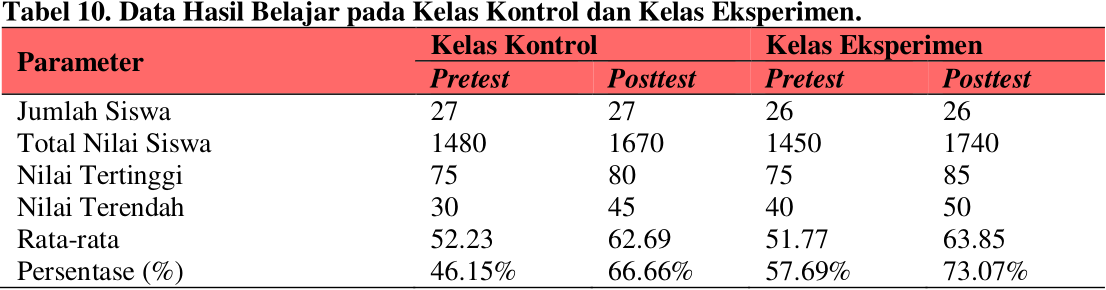
The purpose of this study was to determine: 1) critical thinking skills; 2) questioning skills; and 3) the effect of socio scientific issues learning strategies on students' cognitive learning outcomes. This type of research is a quasi-experimental. The research population was all students of class VIII SMP Bina Budi Mulia 2018/2019 academic year, with a total of 106 students divided into 4 classes. The sampling technique used purposive sampling technique, which was determined based on the students' abilities, so that there were 2 sample classes, namely class A as the control class with a total of 26 students, and class C as an experimental class with a total of 26 students. Based on the results of the data analysis of critical thinking skills, the pre-test results with an average of 35.18 in the control class, and 55.22 in the post-test, while the experimental class with an average pre-test value of 14.23, and post-test. test 68.76. Students' questioning skills increased from the previous control class at the first meeting by 63.66% and the second meeting by 73.33%, while the experimental class at the first meeting was 60% and the second meeting was 76.66%. The results of the analysis of students' cognitive learning outcomes obtained scores in the control class for the pre-test of 7.40% and the post-test of 66.66%, while the experimental class for the pre-test was 7.69% and the post-test was 73.07. %, with tcount = 20.292 and ttable = 0.05, so tcount > ttable. So, Ha is accepted and H0 is rejected. Thus, it can be concluded that, by using a learning strategy of socio scientific issues, it affects the cognitive learning outcomes of class VIII students of SMP Bina Budi Mulia in the 2018/2019 school year.
Downloads
References
Alhikmah, R. N. (2019). Pengaruh Pendekatan Pembelajaran Contextual Teaching and Learning (CTL) Berbasis Etno Matematika terhadap Kemampuan Pemahaman Konsep Matematis Siswa Kelas VII SMP Negeri 1 Rangsang. Skripsi. Universitas Islam Pekanbaru Riau.
Arikunto, S. (2009). Dasar-dasar Evaluasi Pendidikan. Jakarta: PT. Bumi Aksara.
Fadllia, A. (2012). Pengaruh Pembuatan Jurnal Belajar dalam Pendekatan Jelajah Alam Sekitar (JAS) terhadap Hasil Belajar Siswa pada Materi Ekosistem. Skripsi. Universitas Negeri Semarang.
Hastuti, P. W., Nurohman, S., & Wibowo, W. S. (2013). Model Integrated Science Berbasis Socio Scientific Issues untuk Mengembangkan Thinking Skills dalam Mewujudkan 21st Century Skills. Jurnal Pendidikan Matematika dan Sains, I(2), 158-164. https://doi.org/10.21831/jpms.v1i2.2484
Mulyono, O., Bustomi, Y., & Julung, H. (2017). Peningkatan Hasil Belajar Kognitif Siswa Biologi Sekolah Menengah Pertama melalui Metode Demonstrasi. JPBIO (Jurnal Pendidikan Biologi), 2(2), 1-5. https://doi.org/10.31932/jpbio.v2i2.220
Peraturan Menteri Pendidikan Nasional Republik Indonesia Nomor 22 Tahun 2006 tentang Standar Isi. 2006. Jakarta: Departemen Pendidikan Nasional.
Peraturan Menteri Pendidikan Nasional Republik Indonesia Nomor 20 Tahun 2010 tentang Norma, Standar, Prosedur, dan Kriteria di Bidang Pendidikan. 2010. Jakarta: Departemen Pendidikan Nasional.
Prayogi, S., & Asy’ari, M. (2013). Implementasi Model PBL (Problem Based Learning) untuk Meningkatkan Hasil Belajar dan Kemampuan Berpikir Kritis Siswa. Prisma Sains: Jurnal Pengkajian Ilmu dan Pembelajaran Matematika dan IPA IKIP Mataram, 1(1), 80-88. https://doi.org/10.33394/j-ps.v1i1.521
Purdawan, S. (2019). Pengaruh Model Pembelajaran Question Student Have terhadap Motivasi dan Hasil Belajar Siswa Kelas VIII MTs Tarbiyatul Qurro Selagalas. Skripsi. Universitas Islam Negeri Mataram.
Rostikawati, D. A., & Permanasari, A. (2016). Rekonstruksi Bahan Ajar dengan Konteks Socio-Scientific Issues pada Materi Zat Aditif Makanan untuk Meningkatkan Literasi Sains Siswa. Jurnal Inovasi Pendidikan IPA, 2(2), 1-12. https://doi.org/10.21831/jipi.v2i2.8814
Setyosari, P. (2013). Metode Penelitian & Pengembangan. Jakarta: Kencana.
Siska., Yunita., & Ubaidillah, M. (2019). Strategi Socio Scientific Issues untuk Meningkatkan Kemampuan Argumentasi Ilmiah Siswa pada Konsep Sistem Respirasi di Kelas XI MIPA SMAN 1 Suranenggala. Jurnal Ilmu Alam Indonesia, 2(1), 1-20.
Subiantoro, A. W., Ariyanti, N. A., & Sulistyo. (2013). Pembelajaran Materi Ekosistem dengan Socio-Scientific Issues dan Pengaruhnya terhadap Reflective Judgment Siswa. Jurnal Pendidikan IPA Indonesia, 2(1), 41-47. https://doi.org/10.15294/jpii.v2i1.2508
Sudjana, N. (2011). Dasar-dasar Proses Belajar Mengajar. Bandung: Sinar Baru Aljesindo.
Sugiyono. (2011). Metode Penelitian Kuantitatif, Kualitatif dan R&D. Bandung: CV. Afabeta.
______. (2012). Statistika untuk Penelitian. Bandung: CV. Alfabeta.
Yusmanah., Kresnadi, H., & Marli, S. (2013). Peningkatan Keterampilan Bertanya dengan Menggunakan Metode Penemuan Terbimbing dalam Pembelajaran Matematika. Jurnal Pendidikan dan Pembelajaran Khatulistiwa, 2(1), 3-21. http://dx.doi.org/10.26418/jppk.v2i1.693
Downloads
Published
How to Cite
Issue
Section
License
Copyright (c) 2022 Reza Fahrizal & Listhiana Anggraini Badrun

This work is licensed under a Creative Commons Attribution-ShareAlike 4.0 International License.
-
Attribution — You must give appropriate credit, provide a link to the license, and indicate if changes were made. You may do so in any reasonable manner, but not in any way that suggests the licensor endorses you or your use.
-
ShareAlike — If you remix, transform, or build upon the material, you must distribute your contributions under the same license as the original.